Display advertising has dramatically transformed from traditional, static formats to a dynamic, data-driven digital landscape. Once confined to physical spaces, banners, and billboards, display advertising has expanded to encompass a vast array of digital channels. This evolution has been propelled by advancements in technology, shifting consumer behaviors, and the increasing demand for measurable marketing outcomes.
What is display in advertising?
Display advertising is a form of online advertising that involves placing visual creatives (images, text, or rich media) on websites or apps to capture audience attention and drive actions like clicks or conversions. It’s a key component of digital marketing.
What is the evolution of advertising?
Advertising evolution parallels marketing’s journey. Early forms relied on word-of-mouth and print media. Over time, it expanded to include radio, television, and outdoor advertising. The digital age brought about online advertising, including display ads, search ads, social media ads, and video ads.
From Billboards to Clicks
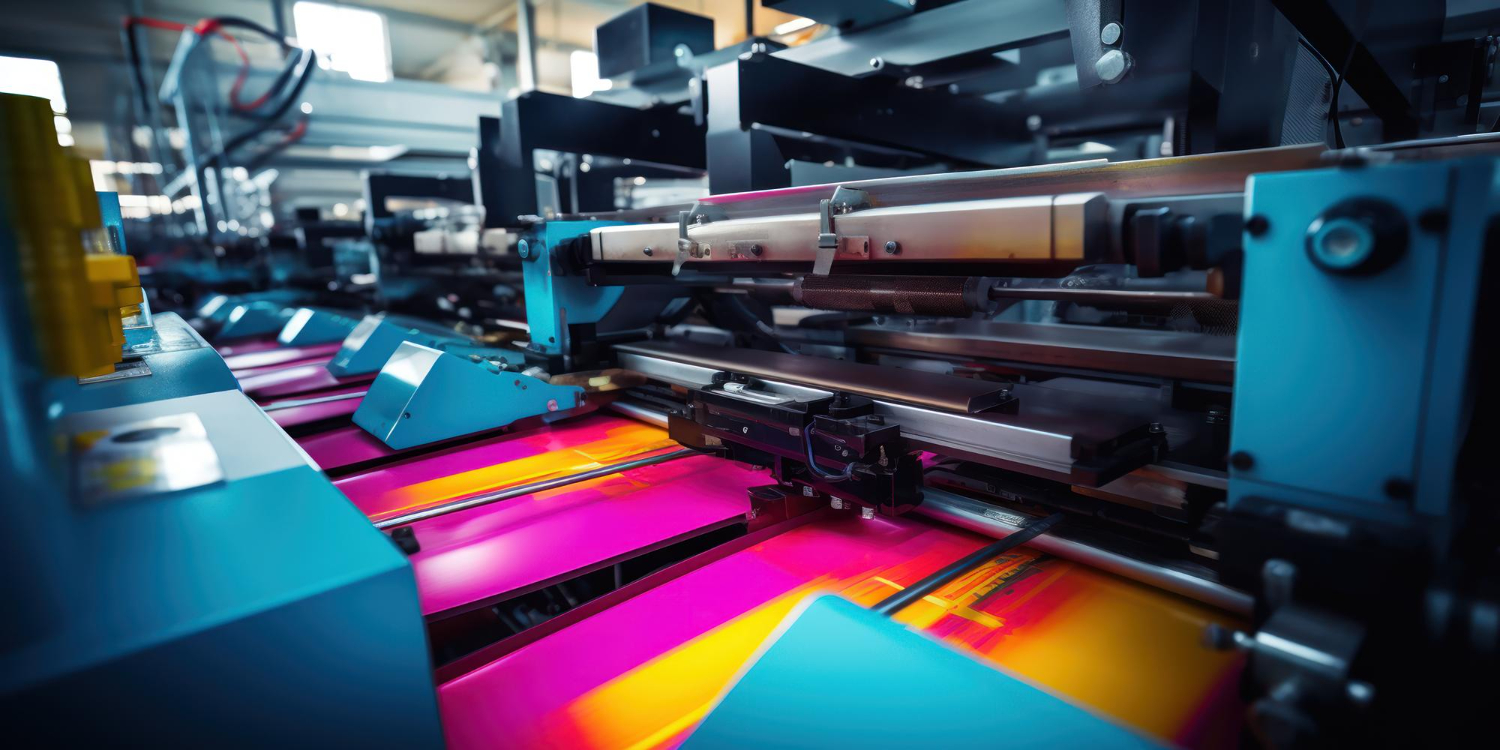
Traditional display formats, such as billboards, posters, and printed banners, were once the cornerstone of outdoor advertising. While these methods still hold value in certain contexts, their effectiveness has been challenged by the rise of digital media. Static displays offer limited reach, lack of interactivity, and difficulty in measuring impact.
The Digital Revolution
The advent of the internet and digital technologies ushered in a new era for display advertising. Digital signage, interactive displays, and online banner ads emerged as powerful alternatives to traditional formats. These digital channels offer greater flexibility, allowing for real-time content updates, targeted messaging, and data-driven optimization.
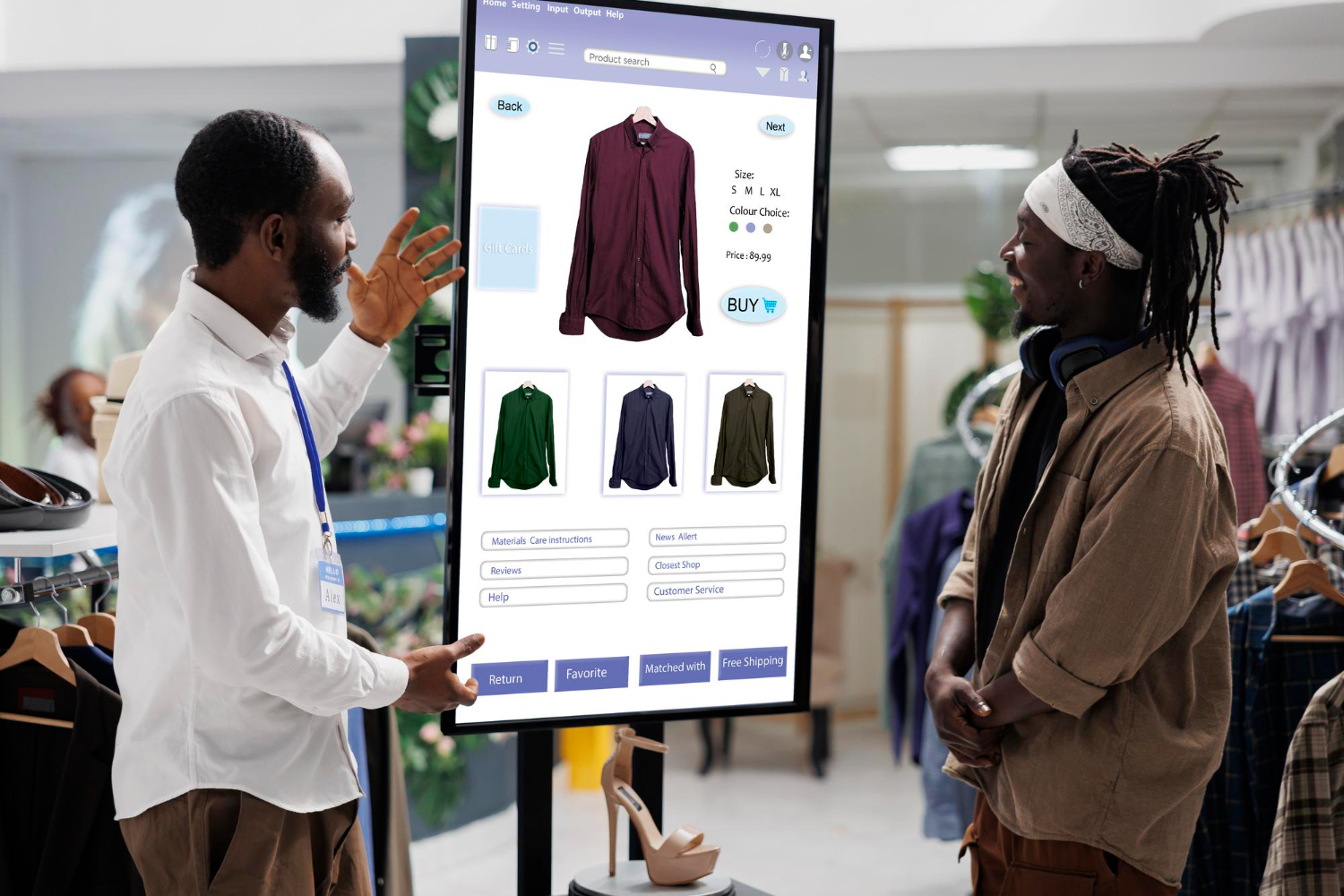
Digital Signage: Interactive displays in public spaces, retail stores, and transportation hubs provide dynamic content, engaging audiences with visuals, videos, and interactive elements.
Online Banner Ads: These digital advertisements appear on websites and apps, offering precise targeting, measurable results, and the ability to reach a global audience.
The Integration of Channels
The most effective display advertising strategies today involve a seamless integration of traditional and digital channels. By combining the strengths of both worlds, businesses can create a cohesive brand experience across multiple touchpoints. For example, a physical store can utilize digital signage to showcase products and promotions, while online display ads can drive foot traffic to the store. This omnichannel approach maximizes reach, engagement, and overall marketing impact.
The Future of Display Advertising
As technology continues to advance, the future of display advertising holds even greater potential. Emerging technologies such as augmented reality (AR), virtual reality (VR), and artificial intelligence (AI) are poised to reshape the industry. These innovations will create immersive experiences, personalized content, and enhanced measurement capabilities.
The evolution of display advertising from traditional to digital has been a journey marked by innovation and adaptation. By understanding the strengths and weaknesses of both approaches, businesses can develop effective display marketing strategies that resonate with their target audience and drive business growth.
Frequently Asked Questions to Evolution on Display Advertising:
What is the history and evolution of digital advertising?
Digital advertising emerged with the internet’s growth. It encompasses online activities to promote products or services. Key milestones include:
- Early websites: Basic online presence and information sharing.
- Email marketing: Direct communication with customers.
- Search engine optimization (SEO): Improving website visibility in search results.
- Pay-per-click (PPC) advertising: Paid ads on search engines.
- Social media marketing: Engaging with customers on social platforms.
- Content marketing: Creating valuable content to attract and retain customers.
- Mobile marketing: Reaching customers on mobile devices.
What are the 5 Ds of digital marketing?
The 5 Ds of digital marketing often refer to the core components of a successful digital strategy:
- Digital devices: Utilizing various devices (computers, smartphones, tablets) for marketing.
- Digital platforms: Leveraging online platforms (websites, social media, apps) to reach audiences.
- Digital media: Creating and distributing digital content (images, videos, text).
- Digital technology: Employing tools and software for marketing activities (analytics, automation).
- Digital marketing: Implementing strategies to achieve marketing goals online.
What is the evolution of digital media?
Digital media has evolved from simple text-based websites to rich, interactive experiences. Key stages include:
- Static websites: Basic information with limited interactivity.
- Dynamic websites: Content updates without manual coding.
- Rich media: Incorporating images, videos, and audio.
- Interactive media: Engaging users through games, quizzes, and virtual experiences.
- Social media: Platforms for user-generated content and community building.
- Mobile-first media: Designing content optimized for smartphones and tablets.
What are the five 5 stages of the evolution of marketing theory?
The five stages of marketing theory evolution are often categorized as:
- Production orientation: Focus on efficient production.
- Product orientation: Emphasis on product quality and features.
- Sales orientation: Aggressive sales tactics to overcome resistance.
- Marketing orientation: Understanding and satisfying customer needs.
- Societal marketing orientation: Considering the well-being of society.
What are the four stages of evolution of the marketing concept?
The four stages of the marketing concept evolution are similar to the five stages of marketing theory:
- Production concept: Prioritizing production efficiency.
- Product concept: Focusing on product quality and innovation.
- Selling concept: Emphasizing sales and promotion.
- Marketing concept: Understanding and satisfying customer needs.
What are the four eras of the evolution of marketing?
The four eras of marketing evolution are:
- Production orientation era: Prioritizing production efficiency (1800s-1920s).
- Sales orientation era: Emphasizing sales and persuasion (1920s-1940s).
- Marketing orientation era: Focusing on customer satisfaction (1940s-1970s).
- Societal orientation era: Considering social responsibility (1970s-present).